Printer vs 3D Printer Meme: The Truth Behind the Humor
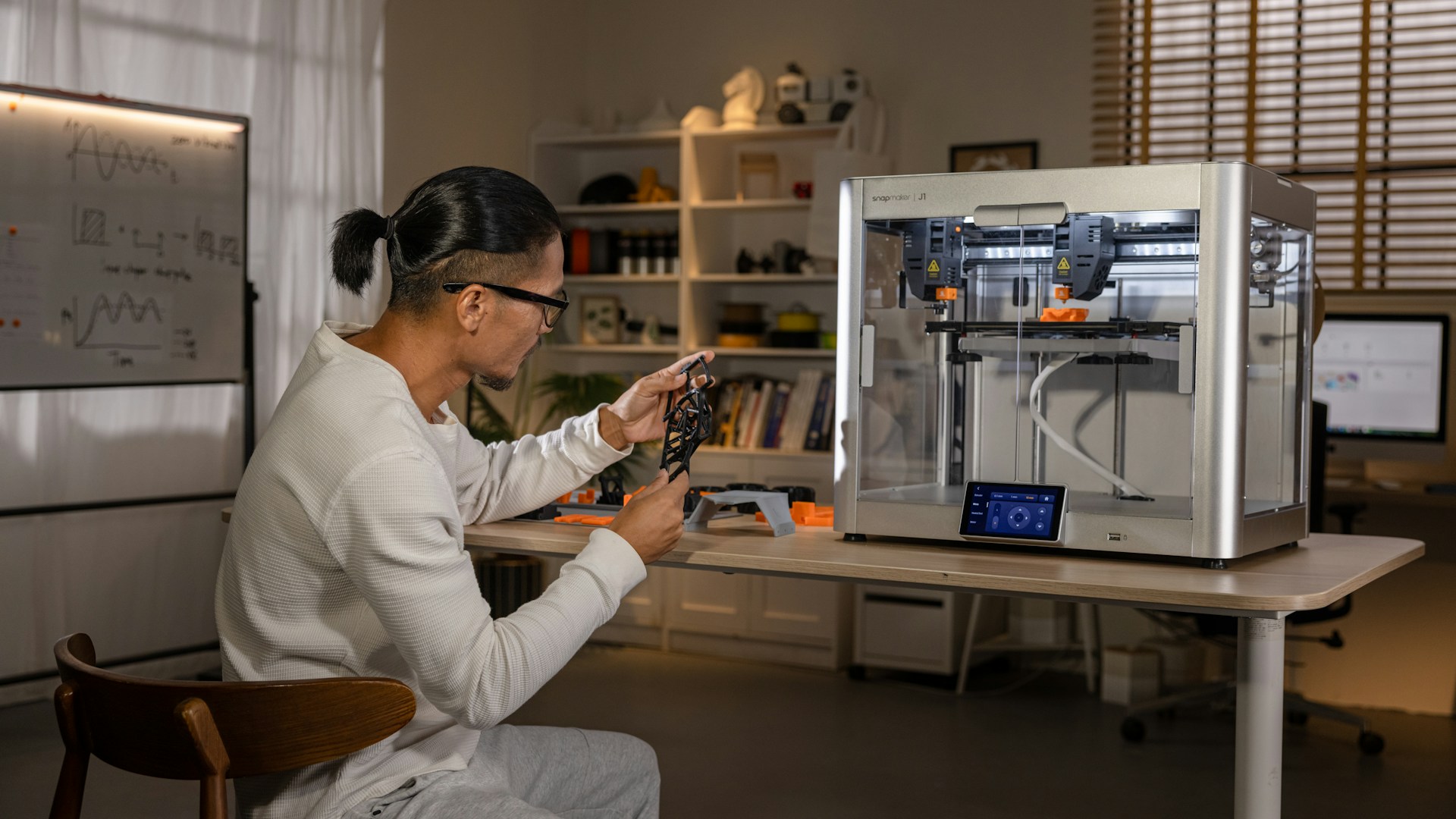
Table of Contents
The Verdict: Embrace the Best of Both Worlds
In the ongoing banter of printer vs 3D printer memes, there’s a humorous yet revealing dichotomy between two creatures of the printing world. Traditional printers (like your trusty inkjet) excel at producing 2D documents, while 3D printers unlock a universe of tangible creativity. The bottom line? If you’re looking for craftsmanship and customization, a 3D printer is a worthy investment. However, for straightforward document printing, stick with a regular printer.
Why Choose 3D Printing?
If humor was all there was to explore in this significant tech conversation, we’d miss the core utility and distinct functionalities of each device. A 3D printer can create anything from prototypes to art pieces, making it infinitely more versatile than a standard printer. For example, budget-friendly models like the Creality Ender 3 can be found for around $250, allowing you to make custom items right at home. But why does this matter in the meme context? Let’s fetch our insights from community discussions that have made this playful “battle” a serious point of interest on platforms like Instructables.
Printer vs 3D Printer: A Quick Comparison
| Feature | Regular Printer | 3D Printer |
|---|---|---|
| Purpose | 2D Document Printing | 3D Object Creation |
| Price Range | $50 - $300+ | $200 - $1000+ |
| Materials Used | Ink, Paper | Filaments (PLA, ABS, etc.) |
| Customization | Limited | Extensive |
| Learning Curve | Low | Moderate to High |
| Typical Use Cases | Printing documents, photos | Prototyping, art, bespoke items |
| Speed | Fast (pages/minute) | Slower (hours per print) |
Who This Is For
- Enthusiasts and Makers: If you’re a dedicated DIYer, crafting with a 3D printer unlocks a treasure chest of potential. You can make everything from replacement parts for other devices to unique decorative pieces.
- Prototypers: Engineers and designers can rapidly create prototypes to test concepts before moving into production.
Who Should Skip This
- Casual Users: If you mostly print documents, photos, or simple graphics, invest in a traditional printer instead. A solid choice would be the HP DeskJet 3755, priced around $120, providing functionality without the complexity.
- Cost-Conscious Buyers: If your focus is primarily on low printing costs with 2D outputs, investing in a 3D printer might not yield sufficient returns.
The Practical Benefits of 3D Printing Over Regular Printing
-
Versatile Applications: The utility of a 3D printer extends far beyond the capabilities of a traditional printer. From prototypes to models, the practical applications are endless. You can create tools, toys, and even jewelry, personalizing your outputs in ways an inkjet never could.
-
Cost-Effectiveness in Production: While traditional printing often incurs costs per sheet or per color, once you have a 3D printer, your ongoing costs can be significantly lower depending on the materials you choose. Filament spools, like those from Hatchbox or Prusa, are relatively inexpensive (around $20 for 1 kg).
-
Innovation at Your Fingertips: 3D printers allow you to explore innovation directly. Whether you’re an aspiring inventor or an artist trying to prototype your next creation, a 3D printer offers the freedom to experiment without the need for a commercial setup.
Memes: The Light-hearted Dialogue Between Two Worlds
Memes like “I can only build a cube vs. I can only print pages” highlight a funny yet legitimate frustration. Users of traditional printers often joke about the limitations of 3D printing success, equating it with multiple failures due to complex designs or challenges in calibration. While there’s humor to be found, behind the memes is the recognition that both devices serve unique needs within the DIY and maker communities.
Understanding this dynamic can elevate your own projects. When purchasing a printer, assessing not just your immediate needs but also how you envision your creative projects evolving is critical.
Real-World Applications: Understanding the Divide
If you’re a freelancer who requires reports, marketing materials, or client presentations, a reliable printer like the Canon PIXMA TR8620, available for about $180, is your best choice. Its excellent color reproduction and functionality enhance professional tasks without compromising on quality.
Conversely, imagine you’re a product designer needing rapid prototypes for a model. In this scenario, spending about $300 on the Prusa Mini+ — with its reliability and ease of setup — undoubtedly pays off more than a 2D printer.
Final Thoughts & Recommendations
In this humorous debate of printer vs. 3D printer, the most important takeaway is that everyone has unique needs. If your focus is solely on document printing, a traditional printer suffices. However, if you’re inclined to explore creativity through making, definitely invest in a 3D printer — it opens doors to endless potential for customization.
Ultimately, choosing the right printing tech depends significantly on your goals and creative aspirations. Aim to align your purchase with your intended use, whether it’s for professional documents or joyful, imaginative creations.