Best Arduino Projects for Beginners: Ignite Your Creativity
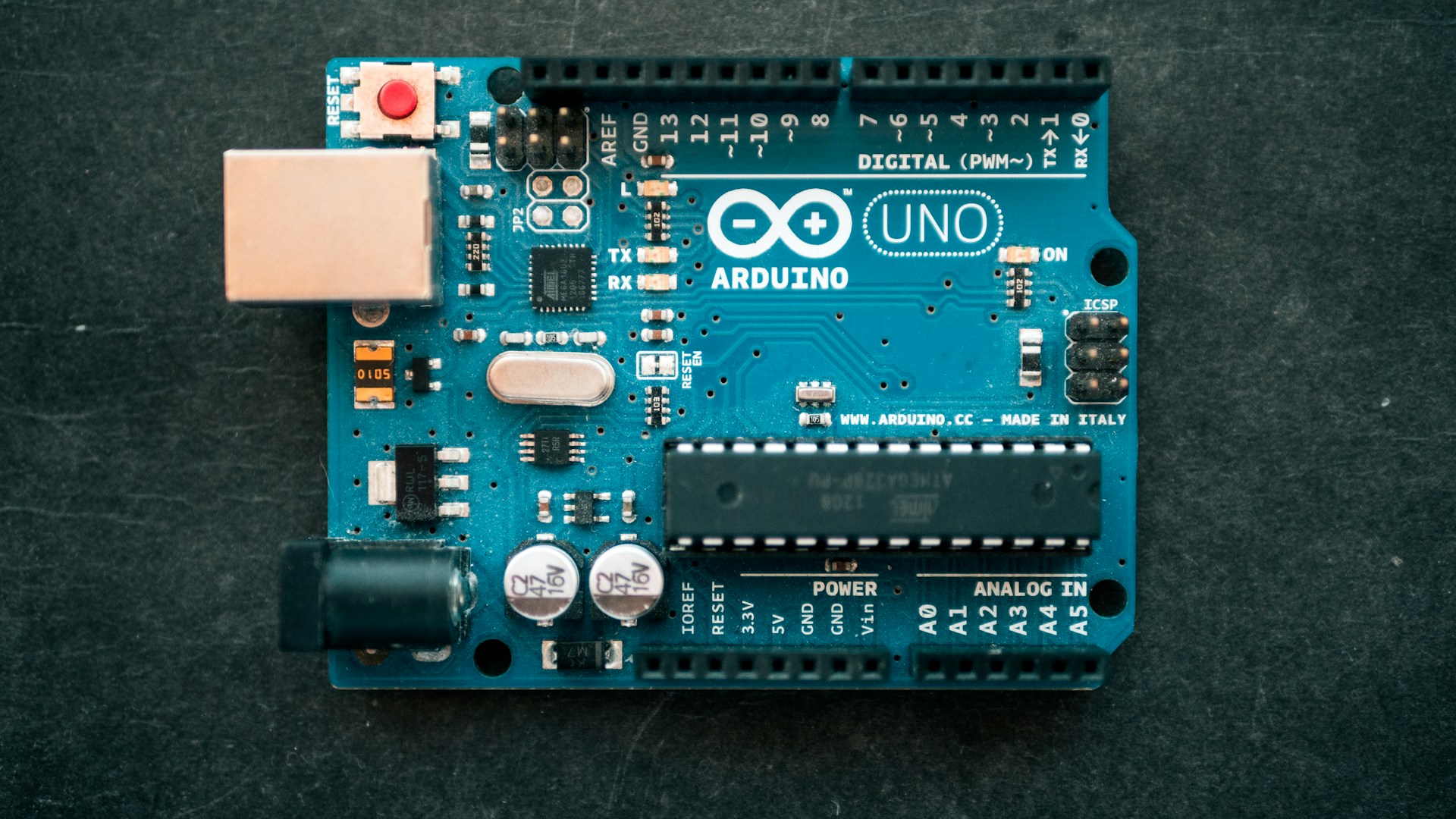
Table of Contents
Introduction
If you’re new to the world of electronics and DIY projects, diving into Arduino is an excellent start. Not only is it a flexible platform, it’s also affordable and widely supported by a huge community. The best Arduino projects for beginners are accessible, educational, and fun. Whether you’re creating a simple LED blink or a more complex device, these projects will spark your creativity and enhance your skills.
Bottom Line
Our top pick for beginners is the Arduino Starter Kit, priced around $100. It comes with a rich selection of components and an extensive guidebook. However, in terms of project ideas, we recommend starting with the LED Blink, Temperature Sensor, and Ultrasonic Distance Sensor projects — they provide hands-on experience while still being relatively simple.
Five Best Arduino Projects for Beginners
1. LED Blink Project
Overview: The classic “Hello World” of Arduino programming, the LED Blink project is a must for every beginner.
Components Needed:
- Arduino board (e.g., Arduino Uno, $25)
- LED ($0.10)
- 220-ohm resistor ($0.05)
- Breadboard and jumper wires ($10)
Instructions: Connect the LED to your board, upload a simple sketch from the Arduino IDE, and watch the LED blink on and off — a simple yet satisfying introduction to programming.
2. Temperature and Humidity Monitor
Overview: Using sensors to read environmental data is a practical application of Arduino.
Components Needed:
- Arduino board ($25)
- DHT11 temperature and humidity sensor ($5)
- Breadboard and jumper wires ($10)
- 10k-ohm resistor ($0.05)
Instructions: Following a tutorial, wire the DHT11 to your Arduino, upload a code snippet, and monitor the temperature and humidity on your serial monitor. This project showcases how Arduino can interact with the physical world and monitor changes in real time.
3. Ultrasonic Distance Sensor
Overview: This project teaches you about measuring distance with the HC-SR04 Ultrasonic Sensor.
Components Needed:
- Arduino board ($25)
- HC-SR04 ultrasonic sensor ($3)
- Breadboard and jumper wires ($10)
Instructions: Connect the ultrasonic sensor to your Arduino and upload the example code from the Arduino IDE. You will be able to measure the distance to an object, which is a fun way to explore how sensors work.
4. Smart Plant Watering System
Overview: For those who often forget to water their plants, this project utilizes moisture sensors.
Components Needed:
- Arduino board ($25)
- Soil moisture sensor ($3)
- Relay module ($5)
- Water pump ($10)
Instructions: Set up the moisture sensor in the soil and connect it to the relay module controlling a water pump. Upload a sketch that activates the pump when the soil moisture level drops. This project combines programming and hardware skills and can be expanded with more features later.
5. RGB LED Color Mixer
Overview: Create a colorful light display using an RGB LED. This project dives into PWM (Pulse Width Modulation) to mix colors.
Components Needed:
- Arduino board ($25)
- RGB LED ($1)
- 220-ohm resistors ($0.05 each)
- Breadboard and jumper wires ($10)
Instructions: Connect the RGB LED to your Arduino, using resistors for each color channel. Write and upload a program that allows you to create different colors by adjusting the PWM values. This project helps you learn more about controlling multiple outputs from the Arduino.
Comparison of Recommended Projects
| Project | Components Cost | Skill Required | Learning Outcomes |
|---|---|---|---|
| LED Blink Project | $35 | Beginner | Basic programming, circuit design |
| Temperature & Humidity Monitor | $40 | Beginner | Interactivity, sensor reading |
| Ultrasonic Distance Sensor | $38 | Beginner | Understanding of ultrasonic waves |
| Smart Plant Watering System | $53 | Intermediate | Automation, sensor integration |
| RGB LED Color Mixer | $36 | Beginner | PWM, color mixing |
Who This is For
These projects cater to anyone interested in electronics, programming, or DIY endeavors. If you’re a student, hobbyist, or professional looking to enhance your skill set, these projects are perfect. They provide a hands-on approach to learning with minimal investment, suitable for all ages.
Who Should Skip This
Not every approach suits everyone. If you’re already proficient in programming or electronics, these beginner projects may feel underwhelming. Similarly, if you don’t have a passion for tinkering with hardware or coding, diving into Arduino might not be the best fit for your interests.
Final Recommendation
Each of these Arduino projects offers a direct path to learning valuable skills while having fun. However, the Arduino Starter Kit is the best investment for beginners, as it provides all the components you need, along with guides that cover many of these projects. The journey of creating something from scratch is rewarding, and mastering these fundamental projects will set you up for more advanced DIY adventures in the future.
So grab your kit, follow the instructions, and start tinkering! You’ll be amazed at what you can create with just a few components and a little coding knowledge.